#fingering


Tag

13 posts

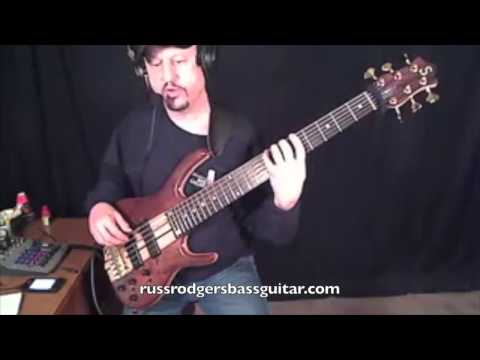
  1. Left Hand Form

    Technique Beginner 2 min read

    I look at technique as simply the process of getting the music you hear in your head out through your hands onto the instrument. You only need enough technique to play what you hear. This post walks through the left-hand default position — the most relaxed place your hand can sit — and how to practice from there.

  2. Smart Right Hand Fingering

    Technique Intermediate 1 min read

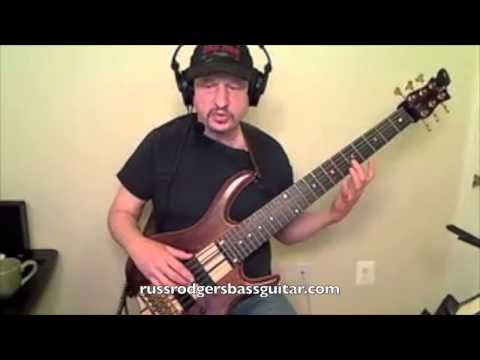
    The quality of your bass playing on fast, complex material comes down to how efficiently your right (plucking) hand works. The goal is to move and deliver notes in the most relaxed, efficient way possible. Smart right-hand fingering is about finding that relaxed path — and knowing when to break the rules for a specific piece of music.

  3. Efficient Left Hand Positioning

    Technique Beginner 2 min read

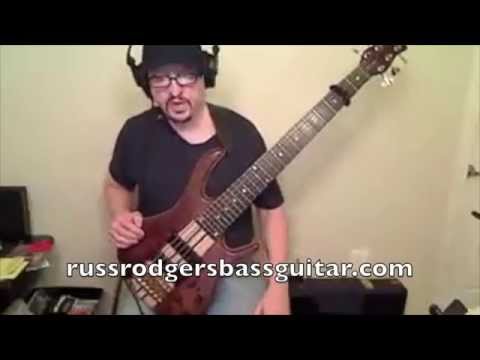
    Fast, complex bass playing comes down to efficient left-hand motion. Outside of a few stretches in the lower positions, the hand should move the same way playing fast as it does playing slow. Practice the line slowly out of time, weed out excess movement, then put it in time — and you'll like what you end up with.

  4. Two Handed Tapping Bassics

    Technique Advanced 1 min read

    Two-handed tapping on bass guitar lets both hands articulate notes on the fretboard, opening up solo bass arrangements the way players like Trip Wamsley and Darren Michaels have built careers on. Like any technique, it starts with physical conditioning: organizing the hands and building muscle memory for relaxed, independent motion before the musical ideas can follow.

  5. Right Hand Form Choices

    Technique Beginner 1 min read

    The quality of your bass playing comes down to the choices you make for your right- and left-hand technique. For right-hand form, I think the floating thumb used with a 2-, 3-, or 4-finger picking technique works the best — one basic position keeps the hand relaxed across all strings while muting the lower strings you aren't playing.

  6. Scale Note Navigation

    Theory & Harmony Intermediate 1 min read

    Once the basic geography of a scale is down on the bass fingerboard using 3-note-per-string box fingerings, the next step is navigating those notes horizontally along the neck. An exercise I call the 4 Note Bridge moves between 2-, 3-, and 4-note string combinations, opening up practical ways to find any scale note anywhere on the bass.